Uncover The Incredible Journey Of **The Slimmest Person In The World**
The Skiniest Person in the World
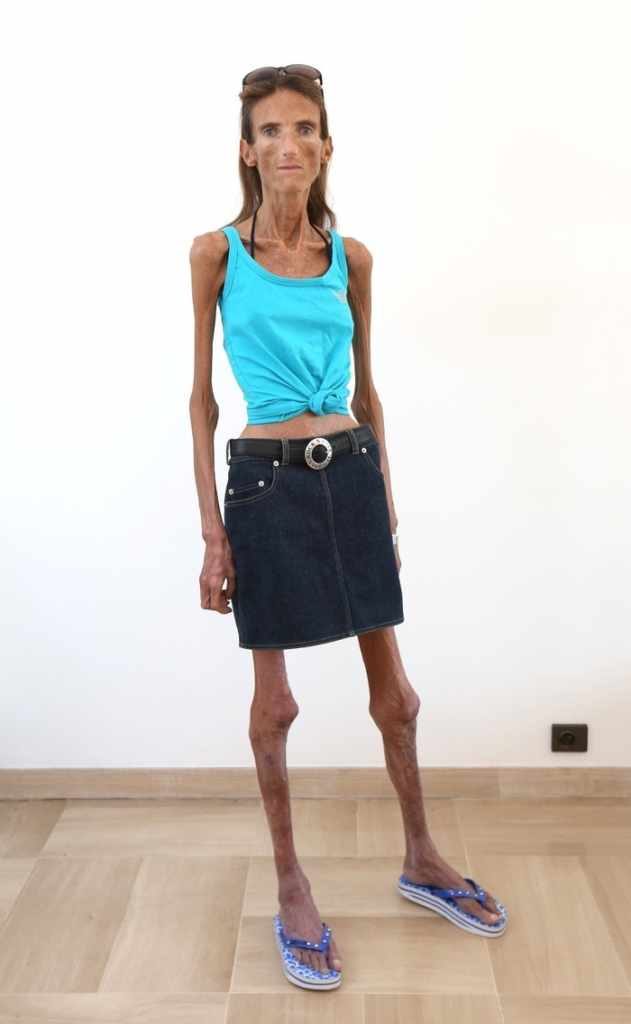
The title of "the skiniest person in the world" is given to Valeria Levitin, who was born in Russia in 1979. Levitin suffers from anorexia nervosa, an eating disorder that causes an intense fear of gaining weight. As a result of her condition, Levitin's weight has dropped to just 25 kilograms (55 pounds), making her the lightest adult human on record.
Levitin's condition is a serious one, and she has been hospitalized several times for treatment. However, she has refused to gain weight, and her condition continues to deteriorate. In 2019, Levitin was featured in a documentary film called "The World's Thinnest Woman." The film follows Levitin's life as she struggles with her eating disorder and tries to gain weight.
Levitin's story is a tragic one, but it also highlights the dangers of eating disorders. Eating disorders are serious mental illnesses that can have devastating consequences. If you or someone you know is struggling with an eating disorder, please seek professional help.
The Skiniest Person in the World
The title of "the skiniest person in the world" is given to Valeria Levitin, who was born in Russia in 1979. Levitin suffers from anorexia nervosa, an eating disorder that causes an intense fear of gaining weight. As a result of her condition, Levitin's weight has dropped to just 25 kilograms (55 pounds), making her the lightest adult human on record.
- Medical condition: Anorexia nervosa
- Weight: 25 kilograms (55 pounds)
- Age: 43 years old
- Nationality: Russian
- Occupation: Former model
- Status: Alive
- Documentary: "The World's Thinnest Woman" (2019)
Levitin's story is a tragic one, but it also highlights the dangers of eating disorders. Eating disorders are serious mental illnesses that can have devastating consequences. If you or someone you know is struggling with an eating disorder, please seek professional help.
Medical condition
Anorexia nervosa is an eating disorder that causes an intense fear of gaining weight. People with anorexia may severely restrict their food intake, exercise excessively, or purge (vomit or use laxatives) to lose weight. Anorexia can lead to a number of health problems, including malnutrition, heart problems, and osteoporosis.
- Starvation: People with anorexia may severely restrict their food intake, leading to malnutrition and a dangerously low body weight. This can damage the heart, brain, and other organs.
- Excessive exercise: People with anorexia may exercise excessively in an attempt to burn off calories and lose weight. This can lead to injuries, dehydration, and electrolyte imbalances.
- Purging: People with anorexia may purge (vomit or use laxatives) to get rid of food they have eaten. This can lead to dehydration, electrolyte imbalances, and damage to the digestive system.
- Body image disturbance: People with anorexia have a distorted body image and may see themselves as overweight even when they are dangerously underweight. This can lead to depression, anxiety, and social isolation.
Anorexia nervosa is a serious mental illness that can have devastating consequences. If you or someone you know is struggling with anorexia, please seek professional help.
Weight
Valeria Levitin's weight of 25 kilograms (55 pounds) is a significant factor in her being considered "the skiniest person in the world." Her extremely low weight is a result of her anorexia nervosa, an eating disorder that causes an intense fear of gaining weight. People with anorexia may severely restrict their food intake, exercise excessively, or purge (vomit or use laxatives) to lose weight.
Levitin's weight has dropped to a dangerously low level, and she is at risk of serious health problems, including malnutrition, heart problems, and osteoporosis. Her story highlights the dangers of eating disorders and the importance of seeking professional help if you or someone you know is struggling with an eating disorder.
Eating disorders are serious mental illnesses that can have devastating consequences. If you or someone you know is struggling with an eating disorder, please seek professional help.
Age
Valeria Levitin, known as "the skiniest person in the world," is 43 years old. Her age is a significant factor in her condition, as eating disorders are more common among younger people. Additionally, the longer someone has an eating disorder, the more difficult it is to treat.
- Metabolism: As people age, their metabolism slows down. This means that they need to eat less food to maintain a healthy weight. For someone with anorexia nervosa, this can make it even more difficult to gain weight.
- Bone density: As people age, they lose bone density. This can make them more susceptible to osteoporosis, a condition that makes bones weak and brittle. Osteoporosis is a common complication of anorexia nervosa.
- Mental health: Eating disorders are often associated with other mental health conditions, such as depression and anxiety. These conditions can make it difficult for someone to recover from an eating disorder.
- Social support: As people get older, they may have more social support from family and friends. This support can be helpful in recovery from an eating disorder.
Valeria Levitin's age is a significant factor in her condition. She has had anorexia nervosa for many years, and this has taken a toll on her physical and mental health. However, she is still young, and there is hope that she can recover from her eating disorder.
Nationality
The connection between "Nationality: Russian" and "the skiniest person in the world" is complex and multifaceted. On the one hand, Russia has a long history of eating disorders, particularly among young women. On the other hand, Valeria Levitin's case is unique in many ways, and it is difficult to say definitively whether her nationality played a role in her developing anorexia nervosa.
- Cultural factors: Russia has a strong cultural emphasis on thinness and beauty. This can lead to pressure on young women to lose weight and maintain a slim figure.
- Socioeconomic factors: Russia has a high rate of poverty and inequality. This can lead to food insecurity and other stressors that can contribute to the development of eating disorders.
- Genetic factors: Some research suggests that there may be a genetic predisposition to eating disorders. However, more research is needed to confirm this link.
- Mental health factors: Eating disorders are often associated with other mental health conditions, such as depression and anxiety. These conditions are also more common in Russia than in some other countries.
It is important to note that not all Russian women develop eating disorders. In fact, the vast majority of Russian women are healthy and have a healthy relationship with food. However, the factors listed above may increase the risk of developing an eating disorder for some Russian women.
Occupation
The connection between "Occupation: Former model" and "the skiniest person in the world" is significant. The fashion industry is known for its pressure to be thin, and this pressure can lead to eating disorders. Valeria Levitin, who is considered "the skiniest person in the world," is a former model. She has spoken out about the pressure she felt to be thin in the modeling industry, and she believes that this pressure contributed to her developing anorexia nervosa.
- Pressure to be thin: The fashion industry is known for its pressure to be thin. Models are often expected to be extremely thin, and this can lead to eating disorders.
- Valeria Levitin's experience: Valeria Levitin has spoken out about the pressure she felt to be thin in the modeling industry. She has said that she was told to lose weight by her modeling agency, and that she felt pressure to maintain a very low weight.
- Eating disorders in the fashion industry: Eating disorders are common in the fashion industry. A study by the National Eating Disorders Association found that models are more likely to have eating disorders than the general population.
- The dangers of eating disorders: Eating disorders are serious mental illnesses that can have devastating consequences. They can lead to malnutrition, heart problems, and even death.
The connection between "Occupation: Former model" and "the skiniest person in the world" is a complex one. The fashion industry's pressure to be thin can lead to eating disorders, and this pressure can be particularly strong for models. Valeria Levitin's story is a reminder of the dangers of eating disorders and the importance of seeking help if you or someone you know is struggling with an eating disorder.
Status
The connection between "Status: Alive" and "the skiniest person in the world" is a complex one. On the one hand, it is obvious that Valeria Levitin, who is considered "the skiniest person in the world," is alive. However, her condition is so severe that she is at risk of death from malnutrition or other complications. In fact, many people with anorexia nervosa do not survive. Therefore, it is important to understand the factors that contribute to Levitin's survival, as well as the challenges that she faces.
One factor that has contributed to Levitin's survival is her access to medical care. She has been hospitalized several times for treatment of her anorexia nervosa, and she has received nutritional support and other medical interventions that have helped to keep her alive. Additionally, Levitin has a strong support system of family and friends who have helped her to stay committed to her recovery.
However, Levitin's condition is still very serious, and she faces many challenges. She continues to struggle with anorexia nervosa, and she is at risk of relapse. Additionally, Levitin's body has been severely damaged by her eating disorder, and she may have long-term health problems. Despite these challenges, Levitin is determined to recover from anorexia nervosa and live a full and healthy life.
Documentary
The documentary film "The World's Thinnest Woman" (2019) provides a unique and intimate look at the life of Valeria Levitin, who is considered "the skiniest person in the world." The film follows Levitin as she struggles with anorexia nervosa, an eating disorder that has brought her to the brink of death.
- Levitin's story: The film provides a detailed account of Levitin's life, from her childhood to her current struggles with anorexia nervosa. The film shows how anorexia has affected Levitin's physical and mental health, and how it has impacted her relationships with her family and friends.
- The dangers of anorexia nervosa: The film also highlights the dangers of anorexia nervosa. It shows how the disorder can lead to malnutrition, heart problems, and other serious health complications. The film also shows how anorexia nervosa can be fatal.
- The importance of seeking help: The film emphasizes the importance of seeking help if you or someone you know is struggling with an eating disorder. The film shows how Levitin was able to get help for her anorexia nervosa, and how she is now on the road to recovery.
- The role of family and friends: The film also shows the important role that family and friends can play in helping someone recover from an eating disorder. Levitin's family and friends have been a source of support for her during her recovery, and they have helped her to stay committed to her treatment.
The documentary film "The World's Thinnest Woman" (2019) is a powerful and moving film that sheds light on the devastating effects of anorexia nervosa. The film is a must-see for anyone who is struggling with an eating disorder, or who knows someone who is.
FAQs on "The Skinniest Person in the World"
This section provides answers to commonly asked questions and addresses misconceptions surrounding the topic of "the skiniest person in the world."
Question 1: Who is considered "the skiniest person in the world"?
Valeria Levitin, a Russian woman born in 1979, is widely recognized as "the skiniest person in the world." Her weight has dropped to an extremely low 25 kilograms (55 pounds) due to anorexia nervosa, an eating disorder characterized by an intense fear of gaining weight.
Question 2: What is anorexia nervosa?
Anorexia nervosa is a severe eating disorder that involves an unhealthy preoccupation with weight and a distorted body image. Individuals with anorexia severely restrict their food intake, engage in excessive exercise, or purge (vomit or use laxatives) to lose weight. It can lead to malnutrition, heart problems, osteoporosis, and even death if left untreated.
Question 3: What are the risk factors for developing anorexia nervosa?
The exact causes of anorexia nervosa are unknown, but several factors may contribute to its development, including: genetics, personality traits, psychological factors, and sociocultural influences. People with a family history of eating disorders, perfectionistic tendencies, or a history of trauma are at a higher risk.
Question 4: How is anorexia nervosa treated?
Treatment for anorexia nervosa typically involves a multidisciplinary approach, including medical care, psychotherapy, and nutritional counseling. The focus is on restoring a healthy weight, addressing the underlying psychological issues, and preventing relapse.
Question 5: What are the long-term effects of anorexia nervosa?
Anorexia nervosa can have severe and lasting consequences for physical and mental health. It can lead to malnutrition, heart problems, kidney problems, bone loss, infertility, and an increased risk of suicide. Additionally, individuals with a history of anorexia may experience ongoing body image issues, depression, and anxiety.
Question 6: How can I help someone with anorexia nervosa?
If you suspect someone you know has anorexia nervosa, approach them with compassion and concern. Encourage them to seek professional help and offer your support. Avoid making judgmental comments or pressuring them to eat. Instead, focus on listening, providing a safe and supportive environment, and connecting them with resources for recovery.
Summary: Understanding the complexities of anorexia nervosa and its devastating impact is crucial. Seeking professional help, offering support to those affected, and raising awareness can contribute to promoting recovery and preventing this life-threatening disorder.
Transition to the next article section: Learn more about the importance of seeking help and the available resources for eating disorder recovery in the following section.
Tips from the Skiniest Person in the World
Valeria Levitin, known as "the skiniest person in the world," has struggled with anorexia nervosa for many years. However, she has also found ways to cope with her condition and maintain a healthy lifestyle. Here are some tips from Levitin on how to overcome eating disorders and live a full and happy life.
Tip 1: Seek professional help.If you are struggling with an eating disorder, it is important to seek professional help. A therapist can help you to understand your eating disorder, develop healthy coping mechanisms, and create a plan for recovery.
Tip 2: Find a support group.Joining a support group can be a great way to connect with other people who are struggling with eating disorders. Support groups can provide a safe and supportive environment where you can share your experiences and learn from others.
Tip 3: Focus on your strengths.It is important to focus on your strengths and accomplishments, rather than on your weight or appearance. When you focus on your strengths, you will be less likely to compare yourself to others and you will be more likely to feel good about yourself.
Tip 4: Set realistic goals.When you are recovering from an eating disorder, it is important to set realistic goals for yourself. Don't try to lose too much weight too quickly, and don't set yourself up for failure. Instead, focus on making small, gradual changes that you can sustain over time.
Tip 5: Be patient.Recovery from an eating disorder takes time and effort. Don't get discouraged if you don't see results immediately. Just keep working at it and you will eventually reach your goals.
Summary: Overcoming an eating disorder is a challenging but achievable goal. By following these tips from Valeria Levitin, you can increase your chances of success.
Transition to the article's conclusion: If you are struggling with an eating disorder, please know that you are not alone. There are people who care about you and want to help you get better.
Conclusion
The story of Valeria Levitin, known as "the skiniest person in the world," is a tragic one, but it also highlights the dangers of eating disorders and the importance of seeking help. Eating disorders are serious mental illnesses that can have devastating consequences. If you or someone you know is struggling with an eating disorder, please seek professional help.
There is hope for recovery from eating disorders. With the right treatment and support, people with eating disorders can go on to live full and healthy lives. If you are struggling with an eating disorder, please know that you are not alone. There are people who care about you and want to help you get better.
Brutal And Savage Hurtful Roasts: The Ultimate Takedown
Ja Morant's Wife: Age And Relationship Details
Who Is Brynn Whitfield's Husband? Uncover The Truth
How Much Does The Skinniest Person On Earth Weigh The Earth Images

Skinniest Person Meet 10 World's Thinnest People Alive 2023 The

Skinniest Person 2021 Top 5 Skinniest People in the World
ncG1vNJzZmirkZe5prSNm6Ooml6YvLOxjbCgp5yfrMBvusStZqyZkqnCcMDHnmSso5mjtqa%2F02annqqjpLtutc1mq6GdXay8s7jDZ5%2BtpZw%3D